Dr Jeff Tullberg, long-term ACTFA Board member and undisputed ‘grandfather’ of CTF research, development and adoption in Australia was an invited guest speaker at the recent Agronomy Conference in Darwin. One might wonder why, given the current stage of his progression into retirement. The reason rests in history dating back to the 1990s/2000s.
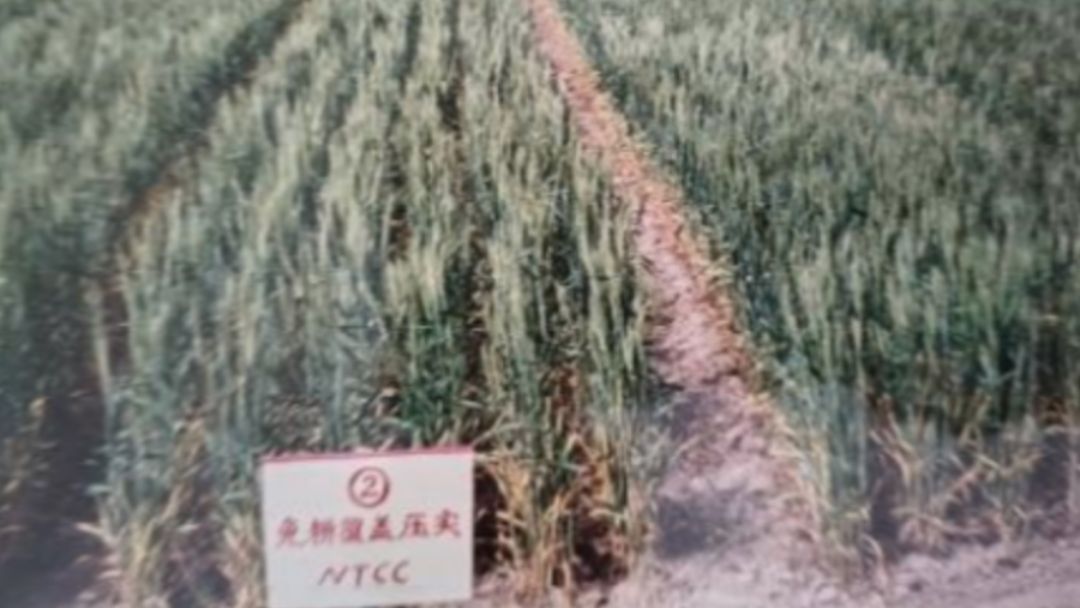
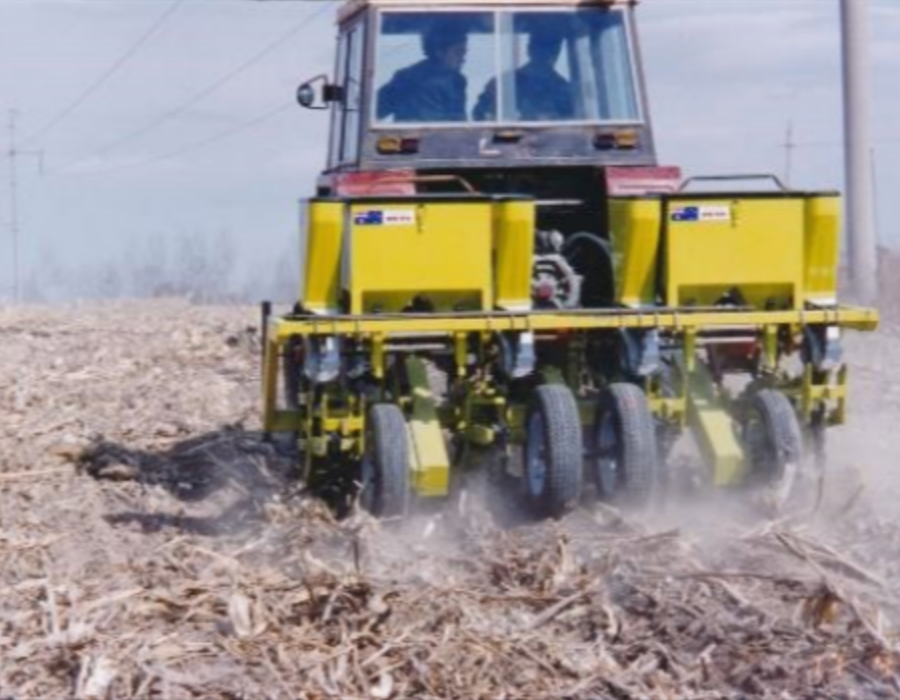
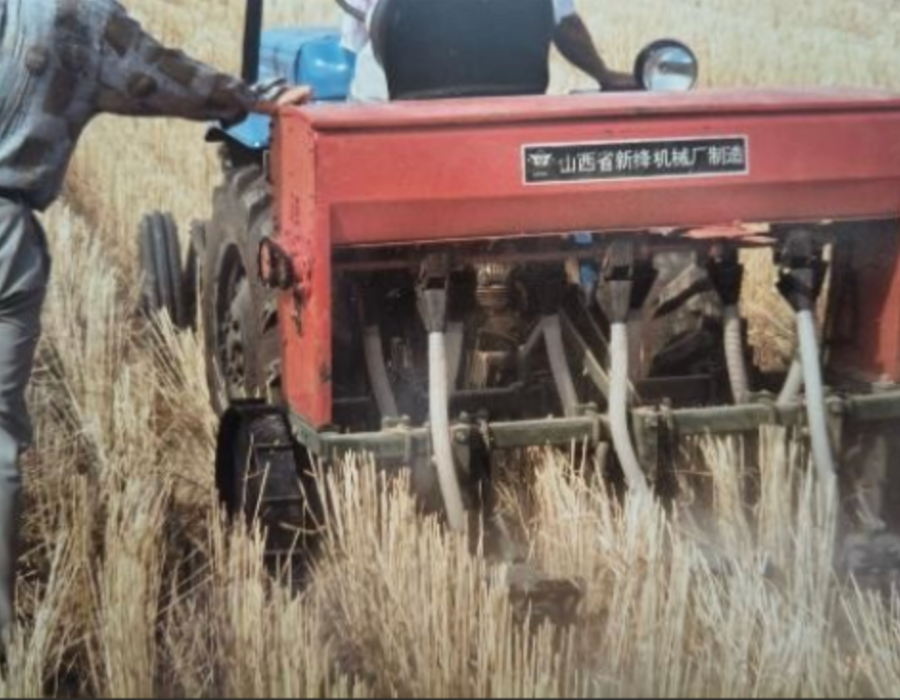
In that era, Jeff (and others) were involved in two projects* spanning 1992-1996 and 1996-2003 that investigated the benefits of CTF and zero-till in Australia and China. The Australian work was primarily based at Gatton. The projects were funded by ACIAR (Australian Centre for International Agricultural Research), which invests in projects to improve food security and prosperity among rural communities, primarily in the Asia-Pacific region, by cooperative work that is of value to both the partner country and Australia.
The reason for Jeff’s invited presentation at the Darwin conference was that independent reviews of the projects conducted well after their conclusion had found that they are amongst the most successful projects ever funded by ACIAR in terms of impact and return on investment.
The review estimated that by 2018, conservation tillage practices were used on >8 million ha of grain production in north-west China, and that the projects had brought forward adoption of conservation tillage by 5-10 years. Success of the projects was underpinned by bans on straw burning in China in response to air pollution concerns. The review further concluded that the projects accelerated adoption of CTF in Australia by providing data on the yield and cost benefits of CTF. GRDC and ABS surveys in 2022 estimated that CTF was used in >35% of Australian grain production; it is probably over 40% by now.
It might be well after the events of the 1990s, but it is encouraging to see recognition for the work of that time and the flow-on impacts as a result. A lot of it is now buried in the mists of time, but the 1980s and 1990s were times of significant interest in CTF in Australia, ranging from the Western Districts of Victoria to the Murrumbidgee, Gatton, Central Queensland and the Burdekin. While a lot of the work was research-based, it was farmer-based cooperative work in Central Queensland, and the Australian development of the Beeline guidance system that provided the foundation for commercial expansion of CTF in the grains industry.
*ACIAR 92/09 Conservation/Zone Tillage and 96/143 Sustainable Mechanised Dryland Grain Production